4 Tips for Keeping Your Automatic Transmission in Optimal Condition

Your vehicle’s automatic transmission is responsible for smoothly transferring power from the engine to the wheels and adjusting gears as you accelerate or slow down. Because the transmission is made up of many complex and precisely engineered components, proper maintenance is essential for keeping it working reliably. When a transmission is neglected, it can develop performance issues or even fail completely. Fortunately, a few simple habits can go a long way in protecting your transmission and extending its lifespan. Here are four tips for keeping your automatic transmission in optimal condition.
Stay Consistent With Transmission Fluid Changes
Transmission fluid plays a vital role in lubricating internal components, reducing friction, and helping control heat within the system. Over time, the fluid can break down and become contaminated with debris, which reduces its ability to protect the transmission. Regular transmission fluid changes help keep the system clean and properly lubricated. Following your vehicle manufacturer’s recommended service intervals can significantly reduce wear on internal components and help maintain smooth shifting.
Always Come to a Full Stop Before Shifting
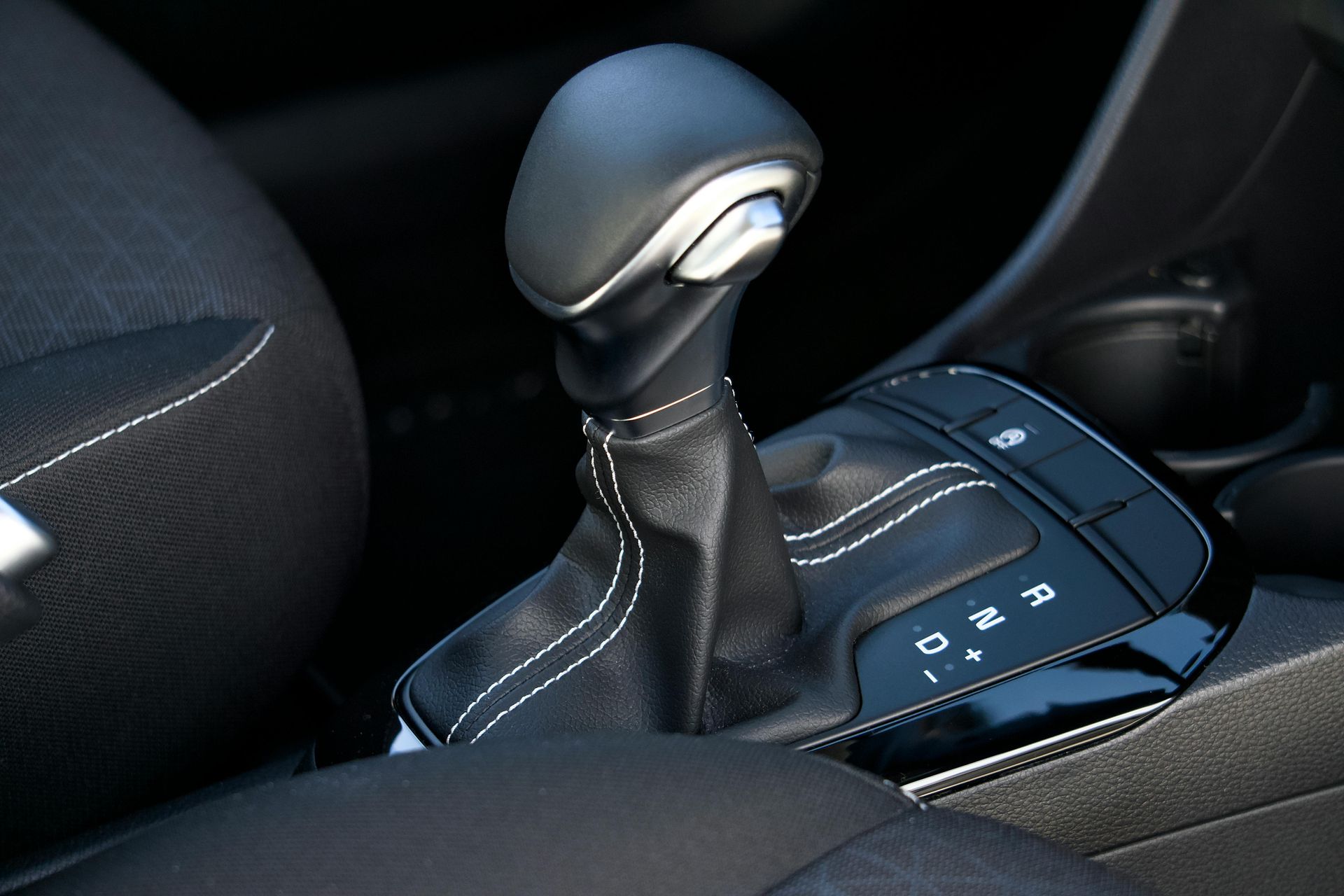
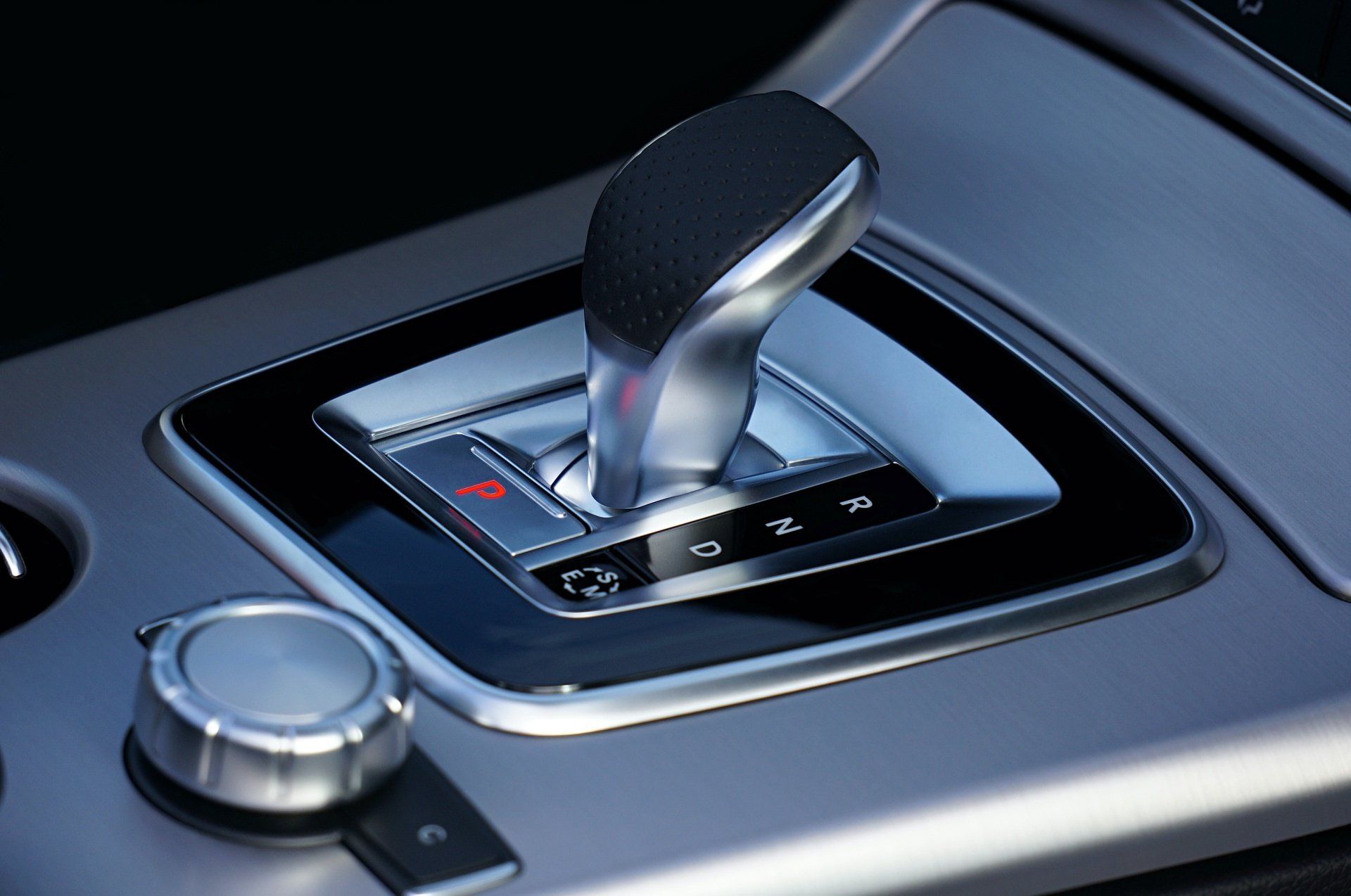
A common mistake that can damage automatic transmissions is shifting between drive and reverse while the vehicle is still moving. Even slight motion places extra stress on the transmission’s internal gears and components. Always bringing the vehicle to a complete stop before shifting allows the transmission to engage properly and prevents unnecessary strain. This simple driving habit can make a big difference in the long-term health of your transmission.
Avoid Overloading Your Vehicle
Excessive weight can put significant strain on a vehicle’s transmission. Carrying heavy loads or towing beyond your vehicle’s recommended capacity forces the transmission to work harder to move the extra weight. This increased stress can lead to overheating and accelerated wear of internal components. Staying within your vehicle’s weight limits and using proper towing equipment can help protect the transmission from damage.
Watch for Early Warning Signs of Trouble
Paying attention to early warning signs of transmission trouble can help prevent larger problems from developing. Symptoms such as delayed shifting, slipping gears, unusual noises, or fluid leaks indicate a developing issue. If you notice changes in the way your vehicle shifts, it’s best to have it inspected by a technician. Addressing small problems early often prevents more extensive and expensive repairs.
Transmission Service in North Seattle
For expert transmission service in Shoreline, WA and the surrounding area, contact North Seattle Transmission at 206-364-3131. Feel free to give us a call to make an appointment!